









Home Appliances
Home Appliances


ACO NEST TURBO FLOOR FAN 20" ACOKFF20
ACOKFF20
ACOKFF20 ACO NEST TURBO FLOOR FAN 20"
₱3,550.00 ₱3,372.50


LOW PROFILE,W/LIGHT,5- BLADES 52" ANTIQUE PEWTER-HF24985
HF24985
LOW PROFILE,W/LIGHT,5- BLADES 52" ANTIQUE PEWTER-HF24985
₱12,750.00


ACO NEST 3-IN-1 14" STAND FAN 50W WHITE ACOFS353IN1
ACOFS353IN1
ACOFS353IN1 ACO NEST 3-IN-1 14" STAND FAN 50W WHITE
₱3,350.00 ₱3,182.50

LOW PROFILE,W/LIGHT,5- BLADES 52" WHITE-HF24981
HF24981
LOW PROFILE,W/LIGHT,5- BLADES 52" WHITE-HF24981
₱11,250.00

THB Air Filter Regulator & Lubricator Compact Type (Silver), C202
C202
THB Air Filter Regulator & Lubricator Compact Type (Silver)
₱1,600.00

WET CORING - 4932399712
4932399712
While both of these do the same job, they are often used in different ways and on different materials. For example, dry core bits can be used either dry or with water. On the other hand, wet core bits must have water cooling to operate. Dry core bits, like the name suggests, can be used without water; while wet bits require water-cooling to operate. Using dry bits is convenient and more friendly to DIY users, but it is often not powerful enough to match the drilling power of wet core bits. A wet core is essentially the communal bathroom for several students with lavatories, water closets, and shower facilities. We began by identifying the issues and asking a lot of questions. Are there others using wet cores? What's their experience? How many students should a wet core serve? Wet drills will typically drive the bit through the core faster than dry drill bits because the lubrication of the water helps loosen the material's surface. Wet core drilling also leaves behind a cleaner, more stable hole surface because the water minimizes the dust produced during drilling. Varying with application, an average electroplated diamond core drill/bit will last you 80 to 120 holes. Whereas a conventional metal bond (sintered) diamond drill should last you about 1,200 holes. Water used in diamond drilling and sawing used for the tools acts as a coolant and lubricant for the blade and motor. When water is not used, tools will overheat and become unusable, the drill bit weakens , and the saw blade loses tension resulting in imprecise cuts. Water is introduced to do two different things. First, since core drilling in concrete creates a lot of friction, the drill bit needs to be cooled. Second, the water collects all of the dust and debris getting thrown around and forms a mixture. Three coring methods are practiced: conventional, wireline, and sidewall. Conventional coring, which refers to core taken without regard to precise orientation , encompasses arrange of coring devices and core barrels.
₱46,600.00 ₱58,250.00

BRIDGEPORT , 5-BLADES 52 NEW BRONZE-HF24959
HF24959
BRIDGEPORT , 5-BLADES 52 NEW BRONZE-HF24959
₱12,750.00


WET CORING - 4932399179
4932399179
While both of these do the same job, they are often used in different ways and on different materials. For example, dry core bits can be used either dry or with water. On the other hand, wet core bits must have water cooling to operate. Dry core bits, like the name suggests, can be used without water; while wet bits require water-cooling to operate. Using dry bits is convenient and more friendly to DIY users, but it is often not powerful enough to match the drilling power of wet core bits. A wet core is essentially the communal bathroom for several students with lavatories, water closets, and shower facilities. We began by identifying the issues and asking a lot of questions. Are there others using wet cores? What's their experience? How many students should a wet core serve? Wet drills will typically drive the bit through the core faster than dry drill bits because the lubrication of the water helps loosen the material's surface. Wet core drilling also leaves behind a cleaner, more stable hole surface because the water minimizes the dust produced during drilling. Varying with application, an average electroplated diamond core drill/bit will last you 80 to 120 holes. Whereas a conventional metal bond (sintered) diamond drill should last you about 1,200 holes. Water used in diamond drilling and sawing used for the tools acts as a coolant and lubricant for the blade and motor. When water is not used, tools will overheat and become unusable, the drill bit weakens , and the saw blade loses tension resulting in imprecise cuts. Water is introduced to do two different things. First, since core drilling in concrete creates a lot of friction, the drill bit needs to be cooled. Second, the water collects all of the dust and debris getting thrown around and forms a mixture. Three coring methods are practiced: conventional, wireline, and sidewall. Conventional coring, which refers to core taken without regard to precise orientation , encompasses arrange of coring devices and core barrels.
₱108,000.00 ₱135,000.00


DRY CORING - 4930399753
4930399753
Dry use core drills are primarily designed for drilling into general house building materials such as soft facing stone, sandstone, brick and block. Dry core drills are designed to be used with hammer or percussion actions turned off and only rotary action applied. Gilson's coring equipment can be used to perform in a wide range of drilling applications. Applications include sampling concrete pavements, slabs, structures, cutting, and trimming of concrete specimens in sample preparation for testing. The equipment can also be used for sampling asphalt. You can use dry core bits without water to drill through brick and concrete blocks. On the other hand, wet core bits require water cooling for safe operation. People doing DIY projects often find dry core bits to be more convenient and easier to work with. However, wet core bits are typically more powerful. You can use dry core bits without water to drill through brick and concrete blocks . On the other hand, wet core bits require water cooling for safe operation. People doing DIY projects often find dry core bits to be more convenient and easier to work with. However, wet core bits are typically more powerful. Core drilling refers to the process of using a hollow drill to bore holes through certain surfaces. Through core drilling, teams can learn the density, chemical composition, strength, and other properties of specific materials. Three coring methods are practiced: conventional , wireline, and sidewall. Conventional coring, which refers to core taken without regard to precise orientation, encompasses arrange of coring devices and core barrels. As the name implies , this involves the cutting of a core at the bottom of the hole. In most cases it involves the drilling of hole with a hollow bit , allowing a solid cylinde r of uncut formation to enter an inner retainer or core barrel which may later be retrieved to surfACE
₱27,500.00 ₱34,375.00


BAYPORT,4-BLADES 42" ANTIQUE BRASS-HF24171
HF24171
BAYPORT,4-BLADES 42" ANTIQUE BRASS-HF24171
₱10,625.00

DRY CORING - 4932399163
4932399163
Dry use core drills are primarily designed for drilling into general house building materials such as soft facing stone, sandstone, brick and block. Dry core drills are designed to be used with hammer or percussion actions turned off and only rotary action applied. Gilson's coring equipment can be used to perform in a wide range of drilling applications. Applications include sampling concrete pavements, slabs, structures, cutting, and trimming of concrete specimens in sample preparation for testing. The equipment can also be used for sampling asphalt. You can use dry core bits without water to drill through brick and concrete blocks. On the other hand, wet core bits require water cooling for safe operation. People doing DIY projects often find dry core bits to be more convenient and easier to work with. However, wet core bits are typically more powerful. You can use dry core bits without water to drill through brick and concrete blocks . On the other hand, wet core bits require water cooling for safe operation. People doing DIY projects often find dry core bits to be more convenient and easier to work with. However, wet core bits are typically more powerful. Core drilling refers to the process of using a hollow drill to bore holes through certain surfaces. Through core drilling, teams can learn the density, chemical composition, strength, and other properties of specific materials. Three coring methods are practiced: conventional , wireline, and sidewall. Conventional coring, which refers to core taken without regard to precise orientation, encompasses arrange of coring devices and core barrels. As the name implies , this involves the cutting of a core at the bottom of the hole. In most cases it involves the drilling of hole with a hollow bit , allowing a solid cylinde r of uncut formation to enter an inner retainer or core barrel which may later be retrieved to surfACE
₱33,000.00 ₱41,250.00


DRY CORING - 4932399165
4932399165
Dry use core drills are primarily designed for drilling into general house building materials such as soft facing stone, sandstone, brick and block. Dry core drills are designed to be used with hammer or percussion actions turned off and only rotary action applied. Gilson's coring equipment can be used to perform in a wide range of drilling applications. Applications include sampling concrete pavements, slabs, structures, cutting, and trimming of concrete specimens in sample preparation for testing. The equipment can also be used for sampling asphalt. You can use dry core bits without water to drill through brick and concrete blocks. On the other hand, wet core bits require water cooling for safe operation. People doing DIY projects often find dry core bits to be more convenient and easier to work with. However, wet core bits are typically more powerful. You can use dry core bits without water to drill through brick and concrete blocks . On the other hand, wet core bits require water cooling for safe operation. People doing DIY projects often find dry core bits to be more convenient and easier to work with. However, wet core bits are typically more powerful. Core drilling refers to the process of using a hollow drill to bore holes through certain surfaces. Through core drilling, teams can learn the density, chemical composition, strength, and other properties of specific materials. Three coring methods are practiced: conventional , wireline, and sidewall. Conventional coring, which refers to core taken without regard to precise orientation, encompasses arrange of coring devices and core barrels. As the name implies , this involves the cutting of a core at the bottom of the hole. In most cases it involves the drilling of hole with a hollow bit , allowing a solid cylinde r of uncut formation to enter an inner retainer or core barrel which may later be retrieved to surfACE
₱41,000.00 ₱51,250.00

Makita Cordless 235 mm (9-1/4") Automatic Swing Fan, CF001GZ
CF001GZ
Makita Cordless 235 mm (9-1/4") Automatic Swing Fan
₱9,870.00
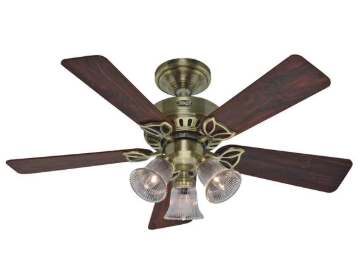
BEACON HILL ,5-BLADES 42" BRUSHED NICKEL-HF24902
HF24902
BEACON HILL ,5-BLADES 42" BRUSHED NICKEL-HF24902
₱10,625.00

DRY CORING - 4932399166
4932399166
Dry use core drills are primarily designed for drilling into general house building materials such as soft facing stone, sandstone, brick and block. Dry core drills are designed to be used with hammer or percussion actions turned off and only rotary action applied. Gilson's coring equipment can be used to perform in a wide range of drilling applications. Applications include sampling concrete pavements, slabs, structures, cutting, and trimming of concrete specimens in sample preparation for testing. The equipment can also be used for sampling asphalt. You can use dry core bits without water to drill through brick and concrete blocks. On the other hand, wet core bits require water cooling for safe operation. People doing DIY projects often find dry core bits to be more convenient and easier to work with. However, wet core bits are typically more powerful. You can use dry core bits without water to drill through brick and concrete blocks . On the other hand, wet core bits require water cooling for safe operation. People doing DIY projects often find dry core bits to be more convenient and easier to work with. However, wet core bits are typically more powerful. Core drilling refers to the process of using a hollow drill to bore holes through certain surfaces. Through core drilling, teams can learn the density, chemical composition, strength, and other properties of specific materials. Three coring methods are practiced: conventional , wireline, and sidewall. Conventional coring, which refers to core taken without regard to precise orientation, encompasses arrange of coring devices and core barrels. As the name implies , this involves the cutting of a core at the bottom of the hole. In most cases it involves the drilling of hole with a hollow bit , allowing a solid cylinde r of uncut formation to enter an inner retainer or core barrel which may later be retrieved to surfACE
₱54,000.00 ₱67,500.00

Makita 40Vmax XGT Li-Ion Cordless 330 mm (13") Fan, CF002GZ
CF002GZ
Makita 40Vmax XGT Li-Ion Cordless 330 mm (13") Fan
₱15,260.00

DRY CORING - 4932399169
4932399169
Dry use core drills are primarily designed for drilling into general house building materials such as soft facing stone, sandstone, brick and block. Dry core drills are designed to be used with hammer or percussion actions turned off and only rotary action applied. Gilson's coring equipment can be used to perform in a wide range of drilling applications. Applications include sampling concrete pavements, slabs, structures, cutting, and trimming of concrete specimens in sample preparation for testing. The equipment can also be used for sampling asphalt. You can use dry core bits without water to drill through brick and concrete blocks. On the other hand, wet core bits require water cooling for safe operation. People doing DIY projects often find dry core bits to be more convenient and easier to work with. However, wet core bits are typically more powerful. You can use dry core bits without water to drill through brick and concrete blocks . On the other hand, wet core bits require water cooling for safe operation. People doing DIY projects often find dry core bits to be more convenient and easier to work with. However, wet core bits are typically more powerful. Core drilling refers to the process of using a hollow drill to bore holes through certain surfaces. Through core drilling, teams can learn the density, chemical composition, strength, and other properties of specific materials. Three coring methods are practiced: conventional , wireline, and sidewall. Conventional coring, which refers to core taken without regard to precise orientation, encompasses arrange of coring devices and core barrels. As the name implies , this involves the cutting of a core at the bottom of the hole. In most cases it involves the drilling of hole with a hollow bit , allowing a solid cylinde r of uncut formation to enter an inner retainer or core barrel which may later be retrieved to surfACE
₱65,000.00 ₱81,250.00

Makita Cordless 180 mm (7-1/8") Automatic Swing Fan, DCF102ZO
DCF102ZO
Makita Cordless 180 mm (7-1/8") Automatic Swing Fan
₱7,840.00